
The Cucumber Collins was a hit among the experienced bartenders.
Have you ever been to a bar where you feel like your bartender is just simply slamming a drink on a counter for you, rather than being able to give you an entertaining experience and a hand crafted cocktail?
There are many bartenders who noticeably carry around an attitude in which they really don’t care about the quality of the experience or drink they are serving their client; this needs to change.
The Four Seasons Hotel, located at 21 Avenue Road in the heart of downtown Toronto, has made and been able to maintain a name for themselves based on their admirable customer service and notable cocktail menu.
On Wednesday, August 25, 2010, BartenderOne was asked to create an interactive bartender training program and team building workshop for the bartenders at The Four Seasons Hotel to help, provide in depth bartender training, open the minds of the staff of all the amazing possibilities within their menu, and of course to start to change the way cocktails are being formulated. Kick out the powdered barmix!
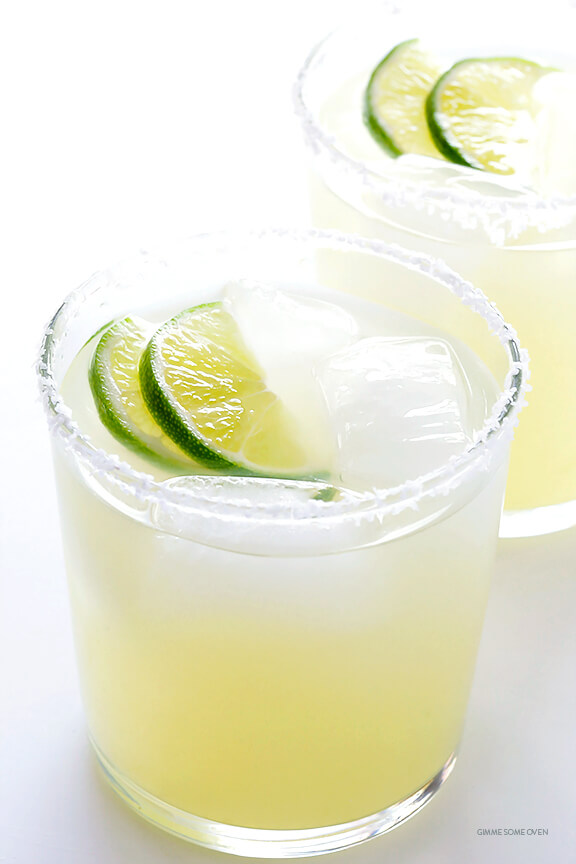
The workshop was built around the Four Season’s own drink menu, and also touched upon some of the most commonly ordered drinks, which were the hand-shaken Margarita, Fresh Cucumber Collins, Cosmopolitan with flamed orange zest garnish, Chocolate Mint Mojito, and the Classic Martini.
Modifications were discussed, such as as adding cucumber to the traditional Tom Collins, to create a fresh, current twist to the original Collins that left you wanting more! The cocktails were made, tasted, and discussed, with advice regarding the proper technique for making each cocktail. For example, the order of operations for a Mojito is commonly overlooked. It must be prepared: mint, limes, then sugar to ensure the mint remains intact and is not floating up into one of your guests’ pearly whites! The way in which a cocktail is developed is absolutely essential to the final product you are serving. Even the way it is shaken matters; you don’t want to shake for too long, or the drink becomes diluted, ten seconds is perfect.
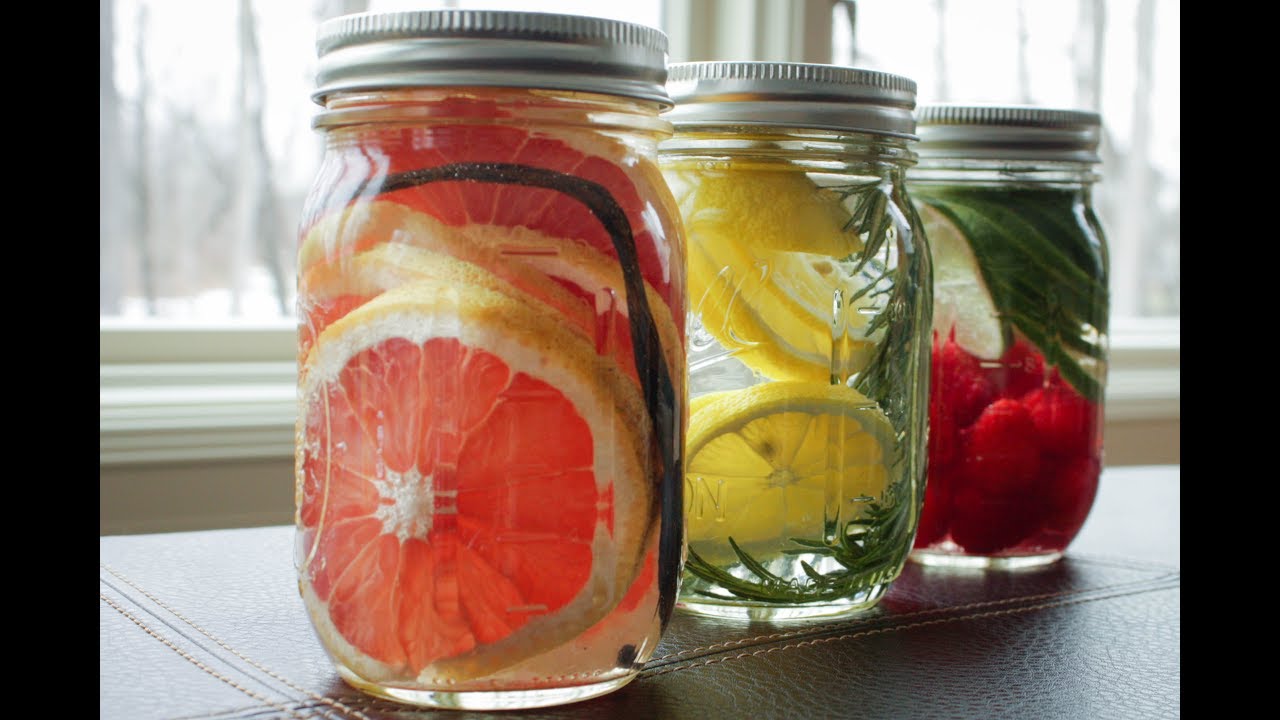
Although the Four Seasons had already dabbled with liquor infusions before, they were thirsty for something new. We reviewed fat washing to produce bacon infused vodka, which can be incorporated into drinks like a BLT Caesar. Even using dill pickles to infuse vodka with dill and garlic adds an intense kick to your beverages.
The most important topic overall that was covered had to be tailoring the cocktail to your guests personal preferences, ensuring all, or most of the taste sensors were engaged. This could be done through things such as using bitters, which can be created at home. Balance is key.
Senses are an amazing part of the way that your guest feels about a cocktail. The taste, smell, looks, and texture all play a large role. To give a guest the full experience, all of these elements must have attention paid to them. Simple tricks like adding aromatics to a cocktail can make a world of difference. A flamed orange zest to a Cosmopolitan for example, takes a fairly simple drink and adds another level, now incorporating the olfactory, which intensifies the experience, and makes your guest feel like they’ve just received a cocktail that was tailored just for them.
The workshop was a great forum for the bartenders of the Four Seasons to bounce ideas off of each other, as well as expand their creativity to the boundless potential of their bar, and we were more than glad to help show them how BartenderOne constructs a cocktail!


Turning Your Bar Green.
Fresh ingredients blow powdered mix out of the water!
While the environmental movement is at the forefront of public conscience, more and more bars are making an effort to go green with their daily business practices. I’m sure you’ve heard all the popular catch phases: renewable energy, carbon neutral footprint and the uber-popular green is the new black.
What does this have to do with operating my restaurant or bar you ask?
First of all, it’s important to identify the difference between a green cocktail and the absurdity of the healthy cocktail. Ordering up a martini made with pomegranate liqueur is not going to earn you any points in the antioxidant cup. Cocktails are supposed to be a little bit naughty anyways…
It starts with the understanding that operating a sustainable bar or restaurant is easier than you think, not to mention the opportunities to save money and increase margins. Making each business decision with the environment in mind is rewarding in many ways: socially, economically and environmentally.
When you look at your business’ carbon footprint, it gets broken down into two parts: a primary and secondary footprint. The primary footprint is the sum of the direct carbon dioxide emissions from the burning of fossil fuels, like energy consumption by furnaces, waters heaters and transportation, like auto- mobiles to get to work. The secondary foot- print is the sum of indirect emissions associated with the manufacture, shipping and breakdown of all products, services and food that your business consumes.
Fresh, seasonal, local and sustainable are really just a part of a much larger picture that involves every business decision you make, from the light bulbs you choose – there are now dimmable Compact Fluorescent Light bulbs which use up to 75 per cent less energy and can create ambiance – to the cleaning products you use and how you separate your waste. Here are some things you might con- sider when developing your next menu or are considering a new supplier.
Fresh is pretty self explanatory, and if you haven’t tasted the difference between a fresh cocktail and the one that comes off your post mix line, enter the menu make- over contest, so we can come to your bar and open your eyes with proper bartender training.
Local means supporting business within 100kms, and making the decision against importing bottled water from the other side of the world when the largest supply of clean fresh water on the planet is at your doorstep. Developing relationships with the folks at your local farmers market can inspire on both culinary and beverage fronts.
Seasonal is about using peaches on your menu when peaches are in season locally, not when peaches are in season in Argentina. When your chef is making Peach Cobbler, your bartenders, who should be thinking about themselves as Bar Chefs, should be making Peach Daiquiris, or peach Mojitos.
Going the sustainable route is not the easiest, but it is becoming increasingly accessible. You just have to ask, and you can believe that the more people who ask, the more accessible it becomes. Businesses that make the commitment can expect to be rewarded with a loyal clientele and the few pioneers of the Green Bar philosophy will attest.
San Francisco’s “Elixir” was one of the first Green bars to open. H. Joseph Ehrmann (known simply as “H”) walks the talk of fresh fruit cocktails made with organic and/or environmentally responsible products. Green and Tonic (www.greenandtonic.org) is doing the same and taking it to the next level. It is a volunteer group that consults with bar owners to help them find solutions to reducing their waste, energy, and water consumption.
The feel good “X” factor of supporting a green business is something that will have your clients talking to their friends, and your commitment to excellence will bring them back again and again in larger numbers. Fresh, local, seasonal, sustainable can no longer be looked at as options, but rather as the business decisions that make our restaurants and bars sustainable businesses as we move into a new economic environment.
As operators, managers, and staff, we have the ultimate power to choose what is offered for sale, how it is offered for sale, and how we’re going to clean it up. While many of us diligently separate food waste from recyclables and garbage at home, few of us pursue these socially responsible actions with the same vigour when we’re working in the hospitality industry. I’ve been guilty of it myself and I’m sure you can relate to the feeling that you should recycle an empty water bottle but when no recycling bin is present, it ends up in the trash. While many of us want to recycle, few of us have taken proactive steps towards putting a recycling / food waste program in place.
The truth is that respecting the planet and making money do not have to be mutually exclusive. After all, we don’t really need to “Save the Environment,” it was fine before we were here, and it’ll heal itself after we’re gone. We really need to save ourselves.
Until next time, Keep Raising the Bar in your establishment.